
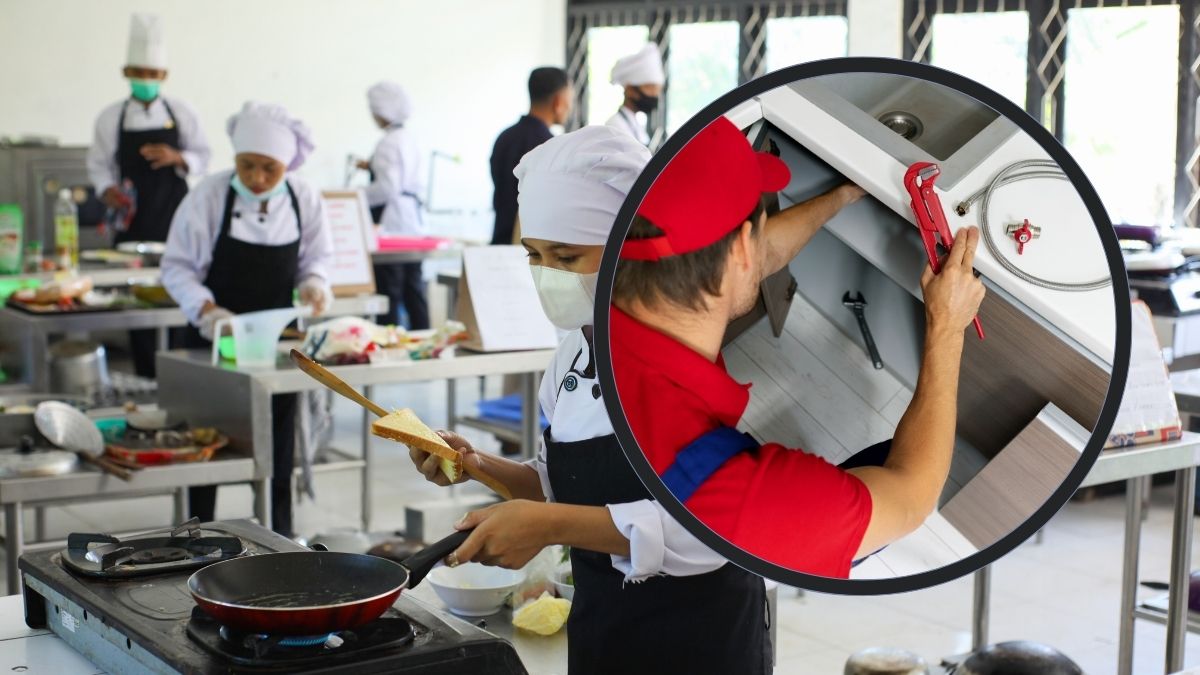
A catering kitchen operates under constant pressure. During busy service hours, multiple sinks run simultaneously, dishwashers work continuously, food preparation never stops, and employees depend on reliable plumbing to keep operations moving. A single plumbing failure can quickly disrupt food preparation, delay orders, increase repair costs, and negatively affect customer satisfaction. Unlike residential kitchens, commercial catering kitchens process large amounts of water, grease, food waste, and cleaning chemicals every day. This heavy workload places significant stress on pipes, drains, faucets, water heaters, and plumbing fixtures. Without regular maintenance, even a small plumbing issue can become a costly emergency during an important event or peak business hours.
Fortunately, most plumbing problems are preventable. By implementing a proactive maintenance plan, training staff, and inspecting plumbing systems regularly, catering businesses can reduce downtime and avoid expensive repairs. In this article, you’ll learn how to prevent mid-service plumbing failures, maintain your commercial kitchen, and ensure your catering business continues operating smoothly throughout the year. Whether you occasionally require support from Plumbers In Houston or Plumbers In San Antonio, preventive maintenance is always more affordable than emergency repairs.
Why Plumbing Matters In A Catering Kitchen
Every catering kitchen depends on a reliable plumbing system. Water is essential for :-
- Food preparation
- Dishwashing
- Cleaning equipment
- Sanitizing surfaces
- Hand washing
- Cooking
- Ice production
- Beverage preparation
If plumbing stops working, nearly every kitchen operation comes to a halt. Therefore, maintaining your plumbing system should be as important as maintaining cooking equipment.
Common Plumbing Problems In Catering Kitchens
Commercial kitchens face different plumbing challenges than residential properties. Some of the most common issues include :-
- Blocked drains
- Grease buildup
- Leaking faucets
- Broken water heaters
- Clogged grease traps
- Low water pressure
- Sewer line backups
- Dishwasher drainage problems
- Pipe leaks
- Overflowing sinks
Recognizing these problems early can prevent larger failures.
How Mid-Service Plumbing Failures Affect Your Business
Unexpected plumbing issues impact more than your pipes. They can lead to :-
- Delayed food preparation
- Interrupted catering events
- Employee downtime
- Health code concerns
- Water damage
- Equipment damage
- Lost revenue
- Customer complaints
- Negative online reviews
Preventive maintenance protects both your operations and your reputation.
1. Schedule Regular Plumbing Inspections
Routine inspections help identify small problems before they become emergencies. Inspect :-
- Water supply lines
- Drain lines
- Faucets
- Sink connections
- Water heaters
- Dishwashing systems
- Grease traps
- Shut-off valves
Professional inspections can reveal hidden leaks, corrosion, and worn components before they fail.
2. Clean Grease Traps Regularly
Grease is one of the leading causes of plumbing problems in commercial kitchens. As grease cools, it hardens inside pipes and restricts water flow. Cleaning grease traps regularly helps :-
- Prevent drain blockages
- Reduce odors
- Improve drainage
- Extend pipe life
- Maintain compliance with local regulations
Never allow grease traps to overflow.
3. Keep Food Waste Out Of Drains
Many plumbing issues begin with food debris. Avoid putting the following into drains :-
- Rice
- Pasta
- Coffee grounds
- Eggshells
- Bones
- Vegetable peels
- Flour
- Cooking oil
- Grease
Instead, dispose of food waste in designated containers.
4. Train Kitchen Staff
Your employees play an important role in protecting the plumbing system. Train staff to :-
- Report leaks immediately
- Avoid pouring grease into sinks
- Use sink strainers
- Clean drains properly
- Operate dishwashers correctly
- Recognize warning signs
Well-trained employees help prevent costly plumbing mistakes.
5. Install High-Quality Sink Strainers
Sink strainers prevent large debris from entering the plumbing system. They collect :-
- Food particles
- Utensils
- Packaging
- Plastic pieces
- Large scraps
Clean strainers several times each day to maintain proper drainage.
6. Monitor Water Pressure
Both high and low water pressure can create plumbing problems. Excessive pressure may :-
- Damage pipes
- Wear out valves
- Increase leaks
- Shorten equipment life
Low pressure may indicate :
- Pipe blockages
- Hidden leaks
- Valve problems
- Water supply issues
Check water pressure regularly to identify potential concerns.
7. Maintain Commercial Dishwashers
Commercial dishwashers process hundreds of dishes each day. Regular maintenance includes :-
- Cleaning filters
- Inspecting hoses
- Checking drain connections
- Removing mineral buildup
- Verifying water temperatures
Proper maintenance improves performance and reduces plumbing failures.
8. Inspect Water Heaters
Hot water is essential for food safety and sanitation. Inspect water heaters for :-
- Leaks
- Rust
- Corrosion
- Temperature problems
- Pressure relief valve issues
Routine servicing helps prevent unexpected breakdowns.
9. Repair Small Leaks Immediately
A small leak rarely stays small. Minor leaks can lead to :-
- Water damage
- Mold growth
- Higher utility bills
- Pipe deterioration
- Equipment damage
Repairing leaks promptly reduces repair costs.
10. Know Where Shut-Off Valves Are Located
Every employee should know how to shut off the water during an emergency. Clearly label :-
- Main water shut-off
- Dishwasher valves
- Sink shut-offs
- Equipment shut-offs
Quick action can minimize damage during emergencies.
11. Use Commercial-Grade Plumbing Fixtures
Residential fixtures often cannot withstand commercial kitchen demands. Invest in :-
- Heavy-duty faucets
- Commercial sinks
- Stainless steel fixtures
- Industrial valves
- Durable drain systems
Quality fixtures generally last longer and require fewer repairs.
12. Maintain Floor Drains
Floor drains protect kitchens from flooding. Keep them free of :-
- Food scraps
- Grease
- Packaging
- Dirt
- Cleaning residue
Inspect floor drains regularly to ensure proper water flow.
13. Watch For Early Warning Signs
Many plumbing failures provide advance warning. Pay attention to :-
- Slow drains
- Strange odors
- Gurgling sounds
- Water stains
- Dripping faucets
- Low water pressure
- Frequent clogs
- Rising water bills
Addressing these signs early often prevents major repairs.
14. Develop A Preventive Maintenance Schedule
Create a maintenance checklist that includes :-
Daily
- Clean sink strainers
- Remove food waste
- Inspect faucets
- Check floor drains
Weekly
- Inspect grease traps
- Test drains
- Check dishwasher hoses
- Clean drain covers
Monthly
- Inspect pipes
- Check shut-off valves
- Examine water heaters
- Review water pressure
Quarterly
- Professional plumbing inspection
- Grease trap servicing
- Pipe maintenance
- Equipment inspection
Consistent maintenance reduces emergency repairs.
15. Have An Emergency Plumbing Plan
Despite good maintenance, emergencies can still happen. Prepare by :-
- Keeping emergency contact numbers available
- Knowing shut-off valve locations
- Training supervisors
- Creating cleanup procedures
- Maintaining emergency supplies
Preparation minimizes disruption during unexpected failures.
How Preventive Maintenance Saves Money
Routine maintenance costs much less than emergency repairs. The benefits include :-
- Fewer breakdowns
- Lower repair expenses
- Longer equipment life
- Reduced water bills
- Better kitchen efficiency
- Improved food safety
- Less downtime
Preventive care is a smart investment for any catering business.
Best Plumbing Practices For Catering Kitchens
Follow these habits every day :-
- Never pour grease into drains.
- Use drain strainers.
- Report leaks immediately.
- Clean grease traps on schedule.
- Inspect plumbing regularly.
- Avoid chemical drain cleaners unless recommended for your system.
- Monitor water usage.
- Replace worn fixtures promptly.
- Schedule professional maintenance.
- Keep plumbing records.
Small daily habits can prevent major plumbing failures.
Choosing The Right Commercial Plumber
When selecting a plumbing contractor, consider:
- Experience : Choose professionals experienced with commercial kitchens.
- Emergency Service : Look for companies that offer 24/7 emergency support.
- Licensing And Insurance : Verify all required licenses and insurance coverage.
- References : Review customer testimonials and commercial experience.
- Preventive Maintenance Programs : Many plumbing companies offer scheduled maintenance plans that help reduce emergency repairs.
Modern Technology Helps Prevent Plumbing Problems
Technology continues to improve commercial plumbing maintenance. Useful solutions include :-
- Smart leak detectors
- Water monitoring systems
- Automatic shut-off valves
- Digital maintenance tracking
- Pipe inspection cameras
- AI-powered maintenance software
These tools help identify issues before they become emergencies.
Common Mistakes Catering Kitchens Should Avoid
Avoid these costly mistakes :-
- Ignoring slow drains
- Delaying leak repairs
- Skipping grease trap cleaning
- Pouring oil into sinks
- Using residential fixtures
- Overloading dishwashers
- Ignoring unusual noises
- Forgetting preventive inspections
Avoiding these mistakes helps keep your kitchen operating efficiently.
Frequently Asked Questions
Commercial kitchens process large amounts of grease, food particles, and wastewater every day. Without proper grease management and regular cleaning, these materials accumulate inside pipes and restrict water flow.
The appropriate cleaning schedule depends on kitchen size, cooking volume, and local regulations. High-volume catering operations typically require more frequent cleaning than smaller facilities.
Yes. Proper staff training is one of the most effective ways to reduce plumbing issues. Employees should avoid disposing of grease or food waste in sinks, report leaks promptly, and follow established cleaning procedures.
Preventive maintenance helps identify small issues before they become major failures, reducing downtime, repair costs, and the risk of disrupting food service during busy periods.
Yes. Having a trusted commercial plumbing contractor available for emergencies can significantly reduce response times and minimize operational disruptions if unexpected plumbing problems occur.
Smart leak detectors, water monitoring systems, inspection cameras, and maintenance management software help identify potential problems early, allowing businesses to address issues before they lead to costly failures.
In Final Thoughts
A reliable plumbing system is essential to the success of any catering kitchen. From food preparation and sanitation to dishwashing and cleaning, nearly every kitchen operation depends on a consistent supply of water and efficient drainage. By adopting preventive maintenance practices, training staff, monitoring plumbing performance, and addressing small issues before they escalate, catering businesses can significantly reduce the risk of costly mid-service failures. Investing in regular inspections, high-quality equipment, and professional plumbing support not only protects your kitchen from unexpected downtime but also helps maintain food safety, improve operational efficiency, and preserve your business’s reputation. A proactive approach to plumbing maintenance ensures your catering kitchen remains productive, reliable, and ready to deliver exceptional service for every event.
The information provided on Citiescaterers is for informational and educational purposes only. The products, services, and professionals featured on our website may not be suitable for your specific needs or circumstances. We encourage you to conduct your own research and seek professional advice before making any decisions. Citiescaterers follows strict editorial standards to ensure our content is accurate, unbiased, and up to date. While we make every effort to keep our information current, details such as pricing, availability, and service offerings may change without notice. The opinions expressed in our articles are those of the author and have not been influenced, approved, or endorsed by any third party unless explicitly stated. Articles may be created with the assistance of artificial intelligence (AI). However, every article is carefully reviewed, edited, and fact-checked by a human editor before publication. This article was reviewed, edited, and verified by Bikash Avinash. If you have any questions, suggestions, corrections, or concerns regarding this article, please contact Bikash Avinash at [email protected].