
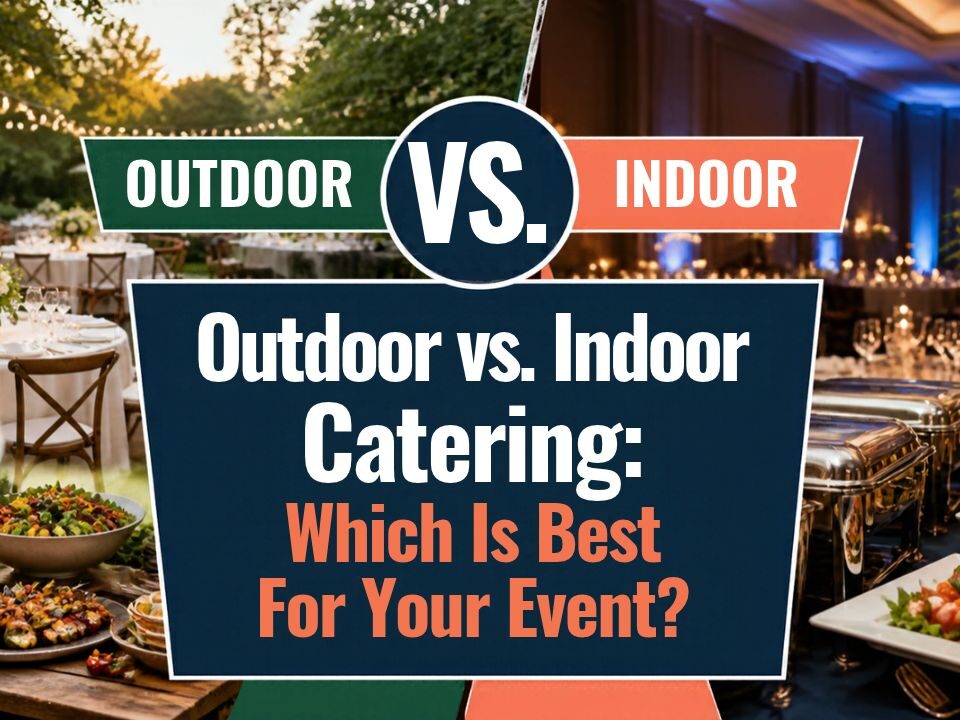
Choosing the right catering arrangement is an important part of event planning. Whether you’re organizing a wedding, birthday party, corporate gathering, anniversary, or private celebration, the location can affect how food is prepared, served, and enjoyed by your guests. Some events work better in outdoor settings with open spaces, natural scenery, and flexible seating. Meanwhile, indoor venues provide greater protection from changing weather, controlled temperatures, and convenient access to kitchen facilities.
But which option should you choose?
The answer depends on your event type, guest count, budget, season, menu, and service requirements. For example, an outdoor wedding with a barbecue buffet may benefit from garden surroundings and live cooking stations. On the other hand, a formal corporate dinner may work better in an indoor banquet hall with plated meals and professional serving arrangements.
Both options have advantages and limitations. Therefore, understanding their differences before booking a venue can help you avoid unnecessary expenses and planning difficulties. In this article, we compare outdoor vs. indoor catering across menu selection, guest comfort, equipment, food preparation, transportation, staffing, and overall event planning. You’ll also find practical examples, cost considerations, and a checklist to help you select the right arrangement.
What Is Outdoor Catering?
Outdoor catering involves preparing, transporting, and serving food at an open-air event location. These events can take place in gardens, backyards, parks, beaches, terraces, farms, rooftops, and other outdoor spaces. Unlike traditional indoor catering, outdoor food service may require additional arrangements for weather protection, electricity, refrigeration, food preparation, and sanitation.
However, outdoor settings offer more flexibility when designing the event layout. You can create buffet counters, barbecue stations, food trucks, live cooking areas, and separate beverage stations. Common outdoor catering events include :-
- Outdoor weddings and receptions
- Backyard birthday parties
- Garden parties and anniversaries
- Corporate picnics
- Beach celebrations
- Outdoor festivals
- Family reunions
- Rooftop parties
- Graduation celebrations
- Private garden dinners
Advantages Of Outdoor Catering
Outdoor catering offers several benefits, especially when the event calls for a relaxed atmosphere and flexible dining arrangements.
- Natural Surroundings : Outdoor venues provide natural scenery, fresh air, and attractive backgrounds. Gardens, beaches, and landscaped spaces can create an appealing setting without requiring extensive decorations.
- Flexible Event Layouts : You can arrange separate areas for dining, entertainment, food stations, and guest activities. Additionally, open spaces make it easier to organize larger gatherings when the venue allows sufficient capacity.
- More Options For Live Cooking : Outdoor settings can accommodate barbecue grills, pizza ovens, food trucks, and live cooking stations when suitable equipment and permissions are available. Guests can watch chefs prepare food, which adds an interactive element to the dining experience.
- Suitable For Casual Gatherings : Outdoor catering works well for events where guests prefer informal seating, buffet service, and a relaxed atmosphere. For example, a family barbecue or summer birthday party may feel more comfortable in a garden or backyard than in a formal banquet hall.
- Flexible Entertainment Arrangements : Open spaces allow event organizers to include lawn games, outdoor performances, dance areas, and children’s activities. Consequently, you can combine dining and entertainment within one venue.
Disadvantages Of Outdoor Catering
Although outdoor catering offers flexibility, it also requires additional planning.
- Unpredictable Weather : Rain, strong winds, extreme temperatures, and humidity can affect the event. Therefore, you should arrange suitable shelters and an alternative indoor location before confirming your booking.
- Additional Equipment Requirements : Some outdoor venues lack commercial kitchen facilities, refrigeration, water connections, and electrical access. As a result, you may need temporary cooking equipment, portable generators, insulated food containers, handwashing stations, and additional serving tables.
- Food Safety Challenges : Outdoor temperatures can affect food quality and safety. Cold dishes require suitable refrigeration, while cooked food needs proper hot holding. Furthermore, insects, dust, and outdoor exposure can create additional challenges.
- Guest Comfort : Guests may experience discomfort during very hot, cold, or rainy weather. You may need tents, shade structures, fans, heaters, lighting, accessible pathways, and suitable seating arrangements.
- More Complicated Cleanup : Outdoor locations may not have dedicated waste disposal areas or cleaning facilities. Therefore, confirm who will handle food waste, packaging, disposable plates, recycling, and post-event cleanup.
What Is Indoor Catering?
Indoor catering involves preparing and serving food within an enclosed venue, such as a banquet hall, restaurant, hotel, conference center, office, or private event room. These locations generally provide more environmental protection and may offer access to refrigeration, electrical outlets, water, restrooms, lighting, and kitchen facilities. However, the facilities available depend on the individual venue. Some indoor spaces provide fully equipped commercial kitchens, while others offer only basic preparation areas. Indoor catering is commonly used for :-
- Wedding receptions
- Corporate meetings
- Business conferences
- Birthday celebrations
- Anniversary dinners
- Awards ceremonies
- Holiday parties
- Private dining events
- Engagement parties
- Formal gala dinners
Advantages Of Indoor Catering
Indoor catering provides several benefits for events that require structured dining arrangements and a controlled environment.
- Protection From Weather : One major advantage is protection from rain, wind, heat, and cold temperatures. As a result, event organizers can plan menus and serving schedules without depending as heavily on outdoor weather conditions.
- Better Environmental Control : Indoor venues may provide air conditioning, heating, and ventilation. These facilities can improve guest comfort and help maintain a consistent dining environment.
- Convenient Kitchen Facilities : Many indoor venues offer access to preparation kitchens, refrigeration, sinks, electrical connections, and storage areas. Therefore, caterers can organize food preparation, storage, and service more efficiently.
- Suitable For Formal Dining : Indoor venues work well for plated dinners, formal buffets, cocktail receptions, and multi-course meals. Additionally, stable flooring, defined walkways, and controlled lighting make it easier to organize seating and serving arrangements.
- Easier Event Coordination : Indoor venues often provide defined spaces for dining, entertainment, speeches, presentations, and registration. This helps organizers coordinate different parts of an event without constantly adjusting to environmental conditions.
Disadvantages Of Indoor Catering
Indoor catering also has limitations that you should consider before booking.
- Limited Space : Some venues may have enough room for dining but insufficient space for food stations, entertainment, buffet counters, and additional seating. Therefore, review the floor plan before confirming the guest count.
- Venue Restrictions : Certain locations restrict outside food providers, open flames, cooking equipment, decorations, alcohol service, or specific delivery arrangements. You should check these requirements before signing a contract.
- Less Natural Scenery : Indoor venues may require additional decoration, lighting, flowers, and themed installations to achieve your preferred atmosphere. However, some hotels, banquet halls, and restaurants already provide attractive interiors.
- Noise And Crowd Management : Large indoor gatherings can become noisy, particularly when the dining area also accommodates entertainment, presentations, or dancing. Consequently, proper seating arrangements and sound management become important.
- Limited Setup Time : Some indoor venues host multiple events during the same day. Therefore, they may restrict setup, delivery, and cleanup periods. Confirm the available access hours with the venue management.
Outdoor vs. Indoor Catering : Main Differences
Both arrangements can provide excellent dining experiences. However, their practical requirements differ in several important areas. The following comparison can help you evaluate both options.
| Planning Factor | Outdoor Catering | Indoor Catering |
|---|---|---|
| Environment | Open-air setting | Enclosed setting |
| Weather Protection | Requires backup arrangements | Generally protected |
| Guest Comfort | Depends on weather and facilities | More consistent with climate control |
| Kitchen Access | May require temporary facilities | Often has existing facilities |
| Food Storage | Requires portable cold and hot holding | Refrigeration and storage may be available |
| Menu Options | Grilling, barbecue, buffets, food stations | Buffets, plated meals, food stations, formal dining |
| Seating Arrangement | Flexible layouts | Depends on venue floor plan |
| Electricity | May require generators | Usually has existing connections |
| Water Access | May require temporary arrangements | Often available |
| Decorations | Natural surroundings provide a backdrop | May require additional styling |
| Food Transportation | Often more complicated | Depends on kitchen location |
| Cleanup | May require separate waste arrangements | Often has designated cleaning facilities |
| Backup Planning | Weather and access contingencies | Mainly venue and operational contingencies |
| Best For | Weddings, garden parties, picnics, festivals | Formal dinners, conferences, receptions |
The main difference is the level of environmental control and infrastructure available. Outdoor catering offers greater freedom in arranging the event space. In contrast, indoor catering generally provides more predictable conditions for food preparation and guest service.
Which Menu Works Best For Outdoor Catering?
Outdoor events often benefit from menus that suit the weather, serving duration, and available equipment. For example, barbecue, grilled food, individual meals, and buffet stations can work well for informal gatherings. Here are some popular menu options.
1. Barbecue Menu
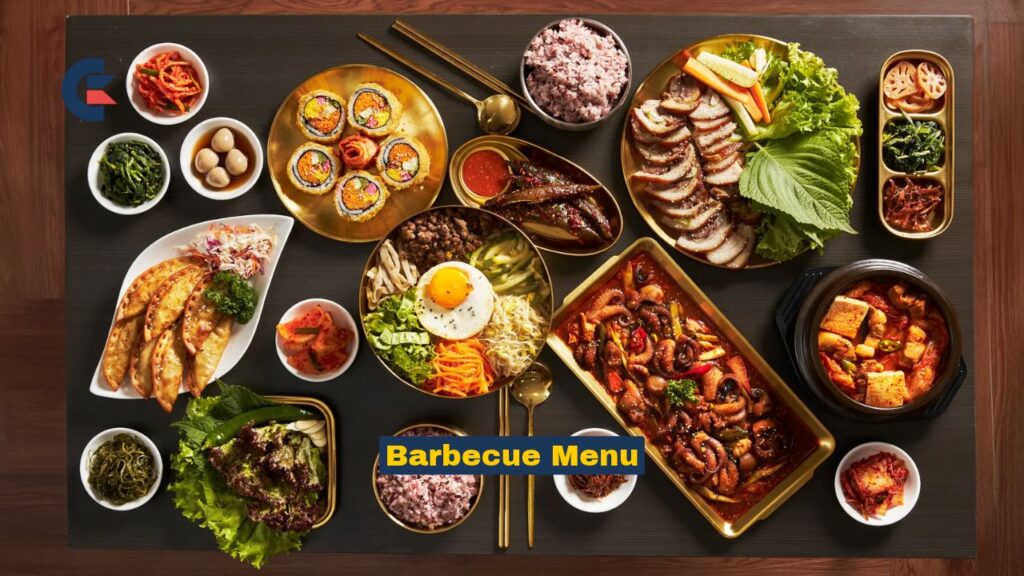
Barbecue catering is a popular choice for outdoor birthday parties, family reunions, and casual wedding receptions. Suggested menu :-
- Grilled chicken
- BBQ ribs
- Grilled vegetables
- Corn on the cob
- Coleslaw
- Baked potatoes
- Fresh fruit
- Lemonade and iced tea
However, grilled foods need proper cooking and hot holding. Use separate utensils for raw and cooked meat, and monitor food temperatures during service.
2. Mediterranean Menu
Mediterranean menus provide several options for outdoor dining. You can offer :-
- Grilled chicken skewers
- Falafel
- Hummus
- Pita bread
- Greek salad
- Roasted vegetables
- Couscous
- Fresh fruit
This menu offers meat and vegetarian choices. Additionally, many dishes work well in buffet arrangements when you maintain proper temperature control.
3. Taco and Mexican Menu
A taco station creates an interactive dining experience. Suggested dishes include :
- Grilled chicken tacos
- Seasoned beef
- Black beans
- Spanish rice
- Fresh salsa
- Guacamole
- Lettuce and tomatoes
- Tortilla chips
Keep chilled toppings refrigerated until service and use suitable hot-holding equipment for cooked fillings.
4. Picnic and Sandwich Menu
A picnic-style menu works well for informal gatherings and daytime events. Consider serving :-
- Grilled chicken sandwiches
- Vegetable wraps
- Pasta salad
- Fresh fruit
- Baked chips
- Cookies
- Lemonade
- Bottled water
Individual portions make distribution easier. However, sandwiches containing meat, cheese, or other perishable ingredients require temperature-controlled storage.
Which Menu Works Best For Indoor Catering?
Indoor catering offers flexibility for more elaborate menus because venues may provide suitable preparation, storage, and serving facilities. Here are some menu styles that work particularly well indoors.
1. Formal Plated Dinner Menu

A plated dinner works well for wedding receptions, formal celebrations, and business events. Suggested menu :-
- Tomato soup or seasonal salad
- Grilled chicken breast
- Salmon or vegetarian entrée
- Roasted vegetables
- Mashed potatoes
- Chocolate dessert
- Coffee and tea
Servers bring each course directly to the guests, which creates a structured dining experience.
2. International Buffet Menu
An international buffet provides several cuisines in one dining area. You can combine Italian pasta, Mediterranean salads, Asian rice dishes, grilled meats, vegetarian entrées, and assorted desserts. Furthermore, guests can select their preferred portions and dishes.
3. Cocktail Reception Menu
Cocktail catering works well for networking events, business receptions, engagement parties, and social gatherings. Popular options include :-
- Mini sandwiches
- Bruschetta
- Cheese platters
- Chicken skewers
- Vegetable cups
- Mini desserts
- Seafood appetizers
This format allows guests to move around and socialize while enjoying smaller food portions.
4. Italian Dinner Menu
An Italian dinner menu suits birthday celebrations, anniversaries, and family gatherings. Consider serving :-
- Bruschetta
- Caesar salad
- Penne pasta
- Vegetable lasagna
- Chicken Parmesan
- Garlic bread
- Tiramisu
You can offer vegetarian alternatives alongside meat dishes to accommodate different preferences.
Outdoor vs. Indoor Catering: Which Costs More?
The cost of catering depends on more than the venue location. Menu selection, guest count, staffing, equipment, service style, and transportation all affect your final budget. Outdoor catering may appear less expensive when you use an existing backyard or garden. However, equipment rentals, tents, power connections, portable kitchens, and additional transportation can increase the total. Similarly, an indoor banquet hall may have a higher rental price but include tables, chairs, lighting, restrooms, and kitchen facilities. Therefore, compare the complete event expense rather than looking only at the catering package price.
Outdoor Catering Expenses :
| Expense | What to Consider |
|---|---|
| Venue Rental | Garden, park, backyard, beach, or rooftop fees |
| Tents and Shelters | Rain and sun protection |
| Cooking Equipment | Grills, portable ovens, and food warmers |
| Electricity | Generators, cables, and power distribution |
| Refrigeration | Coolers and cold-holding equipment |
| Furniture Rentals | Outdoor tables, chairs, and serving counters |
| Sanitation | Handwashing, portable restrooms, and waste disposal |
| Transportation | Food and equipment delivery |
| Staffing | Setup, food service, replenishment, and cleanup |
Indoor Catering Expenses
| Expense | What to Consider |
|---|---|
| Venue Rental | Banquet hall, hotel, restaurant, or conference room |
| Catering Package | Food preparation and menu selection |
| Equipment Rentals | Additional tables, chairs, and kitchen equipment |
| Tableware | Plates, cutlery, and glassware |
| Linens | Tablecloths and napkins |
| Staffing | Chefs, servers, bartenders, and supervisors |
| Venue Fees | Kitchen access, outside vendor, or cleanup charges |
| Transportation | Food and equipment delivery |
| Additional Services | Decorations, bar arrangements, and event setup |
Example : Comparing Indoor and Outdoor Catering Budgets
Consider an event for 100 guests. The following is an illustrative planning comparison, not a market-price survey or vendor quotation.
| Expense | Outdoor Event | Indoor Event |
|---|---|---|
| Food and Beverage | $6,500 | $7,000 |
| Venue Rental | $1,000 | $2,000 |
| Equipment and Rentals | $1,200 | $500 |
| Transportation and Setup | $600 | $300 |
| Staffing | $1,000 | $900 |
| Weather or Facility Contingency | $500 | $300 |
| Estimated Total | $10,800 | $11,000 |
| Estimated Cost Per Guest | $108 | $110 |
In this example, outdoor catering costs slightly less. However, another venue could produce the opposite result. The actual cost depends on the facilities included, the equipment you need, the menu, and the event requirements. Before selecting either option, request an itemized quotation that includes all relevant charges.
Which Type Of Event Is Better For Outdoor Catering?
Outdoor catering works particularly well when the event benefits from natural scenery, open space, and flexible dining arrangements. Here are some event types to consider.
- Outdoor Wedding Receptions : Garden weddings and outdoor receptions can accommodate buffet counters, cocktail stations, barbecue menus, and live cooking arrangements. However, weddings usually require detailed scheduling and a backup location. Therefore, arrange a suitable weather contingency before confirming the venue.
- Birthday Parties : Outdoor birthday parties provide room for games, entertainment, and informal dining. A barbecue buffet, taco station, or sandwich menu can work well for guests of different ages.
- Corporate Picnics : Companies often use outdoor venues for employee gatherings and informal team events. You can arrange individual food boxes, buffet counters, beverage stations, and casual seating. However, plan transportation, power, restrooms, and accessibility before selecting a remote location.
- Graduation Parties and Family Reunions : These gatherings often involve different age groups and flexible schedules. An outdoor setting provides room for guests to move around, while buffet catering allows them to choose their preferred dishes.
Which Type Of Event Is Better For Indoor Catering?
Indoor catering is often more suitable when an event requires controlled conditions, formal service, and a fixed schedule.
- Corporate Conferences : Conferences and business meetings benefit from predictable food service and convenient access to facilities. Boxed lunches, coffee stations, plated meals, and buffet arrangements can fit different conference schedules.
- Formal Wedding Receptions : Indoor ballrooms provide a controlled environment for formal wedding dinners. They can accommodate plated service, multi-course meals, speeches, dancing, and entertainment in one location.
- Awards Shows and Gala Dinners : Awards ceremonies and gala events often follow structured schedules. Indoor venues make it easier to coordinate meal service with speeches, presentations, stage performances, and guest seating.
- Private Anniversary Celebrations : Indoor dining can provide a comfortable setting for smaller private gatherings. You can choose a family-style dinner, plated meal, or small buffet according to your preferences.
Can You Combine Outdoor and Indoor Catering?
Yes. A hybrid setup combines indoor and outdoor dining areas within the same event. This arrangement can provide greater flexibility when you want open-air surroundings but also need protection from changing weather. For example, you can arrange the welcome reception and cocktail hour outdoors, then move guests inside for the main dinner. Similarly, a venue with an outdoor terrace and indoor banquet room can accommodate separate food and entertainment areas.
Popular Hybrid Catering Arrangements
- Outdoor Cocktail Hour With Indoor Dinner : Welcome guests with appetizers and drinks outside. Then arrange the main dinner indoors. This works well for weddings and formal celebrations.
- Indoor Buffet With Outdoor Seating : Keep food preparation and buffet stations indoors while allowing guests to enjoy covered outdoor seating. This arrangement can work well for restaurants, hotels, and venues with patios.
- Outdoor Live Cooking With Indoor Dining : Set up live cooking stations outdoors and provide indoor dining as an alternative. However, confirm cooking permissions, ventilation arrangements, fire safety requirements, and food transportation procedures.
- Tented Reception With Indoor Support : A tented reception can provide outdoor surroundings while offering protection from sun and light rain. An adjacent indoor area can support food preparation, storage, restrooms, and emergency relocation when available.
Food Safety Considerations For Outdoor And Indoor Catering
Food safety should be part of your event planning from the beginning. Outdoor events require particular attention because sunlight and warm temperatures can affect perishable food. However, indoor catering also requires proper storage, preparation, and serving practices. According to the FDA, cold perishable food should be kept at 40°F or below, while hot food should be maintained at 140°F or above. Perishable food should not remain outside temperature control for more than two hours, or one hour when temperatures exceed 90°F.
- Maintain Proper Food Temperatures : Keep chilled salads, seafood, dairy products, and other perishable dishes properly refrigerated. Similarly, use suitable heated holding equipment for hot meals.
- Protect Food During Transportation : Outdoor catering may require longer transport times and additional handling. Use insulated containers, refrigeration equipment, and appropriate hot-holding systems. Also, keep raw ingredients separate from prepared food to prevent cross-contamination.
- Protect Serving Stations : Place outdoor food stations under suitable cover. Use food covers, clean serving utensils, and protective arrangements to reduce exposure to dust and insects.
- Arrange Hand washing Facilities : Outdoor locations may not provide convenient access to running water. Therefore, arrange suitable hand washing facilities for food preparation and service staff.
- Monitor Food During Service : Use food thermometers and inspect holding equipment throughout the event. If food has exceeded the permitted time outside temperature control, discard it rather than serving it to guests.
How to Choose Between Outdoor and Indoor Catering
Before making your final decision, consider the following factors.
1. Identify Your Event Type : Start by understanding the purpose of the event. A formal wedding reception may require structured seating and plated dining, while a casual birthday party may benefit from an outdoor buffet.
2. Confirm Your Guest Count : Your guest count affects space requirements, seating, food quantities, serving equipment, and staffing. Therefore, confirm the venue’s practical capacity before arranging the menu.
3. Consider the Season and Weather : Check typical weather conditions for your event date. For outdoor events, consider temperature, rainfall, humidity, wind, and available shade. Also, identify an alternative location if severe weather makes outdoor service unsuitable.
4. Review Venue Facilities : Ask whether the venue provides :-
- Commercial kitchen access
- Refrigeration and freezer space
- Electricity and water
- Restrooms
- Loading and unloading areas
- Parking facilities
- Tables and chairs
- Waste disposal arrangements
- Accessible entrances and pathways
These details can affect both the catering budget and service quality.
5. Select an Appropriate Menu : Choose dishes according to the available preparation and storage facilities. For example, grilled food and buffet menus may suit a garden event, while multi-course plated meals often work well in formal indoor venues. However, any menu can work in either setting when the caterer has suitable equipment and staff.
6. Compare Complete Quotes : When evaluating Catering Services, compare food prices, staffing, delivery, equipment, setup, cleanup, and additional charges. A lower starting price does not necessarily represent a lower total event cost.
7. Review the Event Schedule : Confirm when vendors can access the venue and how much time they have for setup. Also, coordinate the food service timeline with speeches, entertainment, photography, and guest activities.
Questions To Ask Before Booking Outdoor or Indoor Catering
Before signing an agreement, ask the venue manager and catering provider a few practical questions.
| Question | Why It Matters |
|---|---|
| Is the venue suitable for the expected guest count? | Confirms space and seating capacity |
| Is kitchen access available? | Helps determine food preparation arrangements |
| Are tables, chairs, and linens included? | Helps control rental expenses |
| Is electricity and water available? | Supports food preparation and service |
| Can outside catering vendors work at the venue? | Confirms vendor access rules |
| Are permits required for outdoor cooking? | Helps avoid compliance problems |
| What happens if it rains? | Establishes a backup plan |
| How will food temperatures be maintained? | Supports food safety |
| Who handles setup and cleanup? | Clarifies staff responsibilities |
| Are there additional venue charges? | Helps prepare an accurate budget |
For a wedding or large gathering, also ask about vendor insurance, loading access, emergency exits, alcohol requirements, and cancellation conditions.
Common Mistakes To Avoid When Choosing a Catering Setting
Even a good menu can become difficult to manage when the venue and catering arrangements don’t match. Avoid these common planning mistakes.
- Booking an outdoor venue without a backup plan: Weather can change quickly. Therefore, arrange a covered area or an alternative indoor location.
- Ignoring kitchen access: Some venues have limited preparation facilities. Confirm what the caterer can use before selecting a menu.
- Underestimating equipment costs: Outdoor locations may require generators, lighting, refrigeration, hand washing stations, and temporary serving counters.
- Choosing an unsuitable menu: Some foods need specialized temperature control and equipment. Match your menu with the facilities available.
- Forgetting guest comfort: Consider shade, ventilation, heating, seating, restroom access, and accessibility.
- Overlooking setup and cleanup time: Catering staff need sufficient time to unload, prepare, serve, and clear equipment.
- Comparing only food prices: Include venue charges, rentals, labor, delivery, taxes, and other expenses in your comparison.
Read Also : Why Banquet Halls Are Perfect Venues For Any Event ?
Frequently Asked Questions
Outdoor catering is suitable for events that benefit from open spaces, natural scenery, and flexible dining arrangements. Indoor catering is generally better when you need controlled temperatures, convenient kitchen facilities, and protection from weather. The right option depends on your event requirements.
Not always. Outdoor catering may require additional tents, generators, refrigeration, transportation, and sanitation equipment. However, an indoor venue may charge more for rental, kitchen access, and other services. Compare the complete event budget before deciding.
Both options work well for weddings. Outdoor weddings can feature garden buffets, barbecue stations, and open-air dining, while indoor receptions suit formal plated dinners and multi-course menus. A hybrid arrangement can also combine outdoor cocktail service with indoor dining.
Grilled chicken, barbecue dishes, tacos, sandwiches, salads, and Mediterranean menus are popular outdoor options. However, caterers must use appropriate hot and cold holding equipment to maintain food safety.
Depending on the venue, you may need tents, grills, food warmers, refrigerated coolers, generators, extension systems, tables, serving counters, lighting, hand washing stations, and waste disposal equipment.
Indoor catering often requires fewer arrangements for weather protection and temporary utilities. However, you still need to review the floor plan, kitchen access, vendor restrictions, equipment, staffing, delivery schedules, and cleanup requirements.
Yes. Many indoor venues allow live cooking stations when they meet fire safety, ventilation, and equipment requirements. However, some locations restrict open flames, portable gas equipment, or certain cooking methods. Confirm venue approval before booking.
Hybrid catering combines indoor and outdoor dining arrangements. For example, guests may enjoy appetizers outside before moving into an indoor dining room for the main meal. This arrangement offers flexibility when the venue provides both spaces.
Final Thoughts : Choose The Right Catering Setting For Your Event
Choosing between outdoor and indoor catering depends on the experience you want to create and the facilities available at your selected venue. Outdoor catering offers flexible layouts, natural surroundings, and suitable arrangements for casual celebrations, garden weddings, and corporate picnics. However, it requires additional planning for weather, food transportation, equipment, sanitation, and guest comfort. Indoor catering provides greater protection from environmental conditions and often offers easier access to kitchen facilities, electricity, water, lighting, and restrooms. Therefore, it works particularly well for formal receptions, business gatherings, and structured dining events.
Before booking, compare the complete costs, review venue facilities, select an appropriate menu, and confirm the food service arrangements. Most importantly, choose a setting that matches your guest count, event schedule, budget, and dining preferences. With proper planning, both indoor and outdoor catering can provide an enjoyable experience for your guests.