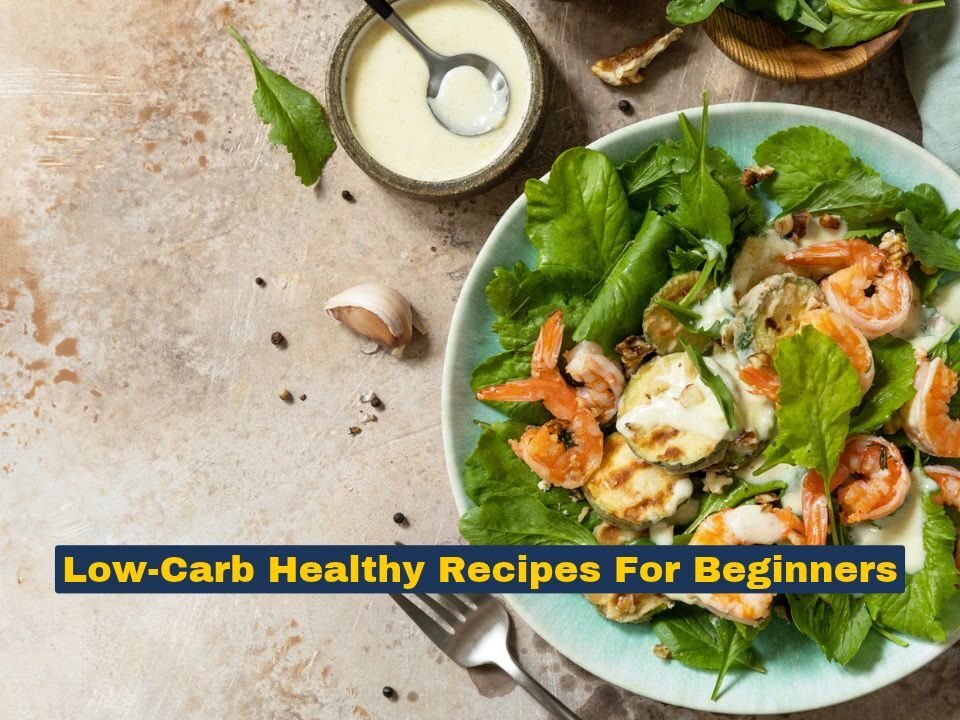
Changing your eating habits can feel challenging, especially when you’re new to low-carb cooking. You may want to reduce bread, rice, pasta, and sugary foods, but finding satisfying alternatives isn’t always easy. Fortunately, low-carb meals don’t need complicated ingredients or expensive substitutes. You can prepare delicious dishes using chicken, eggs, seafood, tofu, leafy vegetables, cauliflower, zucchini, mushrooms, and other everyday ingredients.
For example, cauliflower can replace traditional rice in several dishes, while zucchini makes a convenient alternative to pasta. Similarly, lettuce leaves work well instead of tortillas or sandwich bread. However, a lower-carbohydrate meal should still provide enough protein, healthy fats, fiber, and essential nutrients. Therefore, focus on balanced ingredients rather than simply removing carbohydrates from every dish.
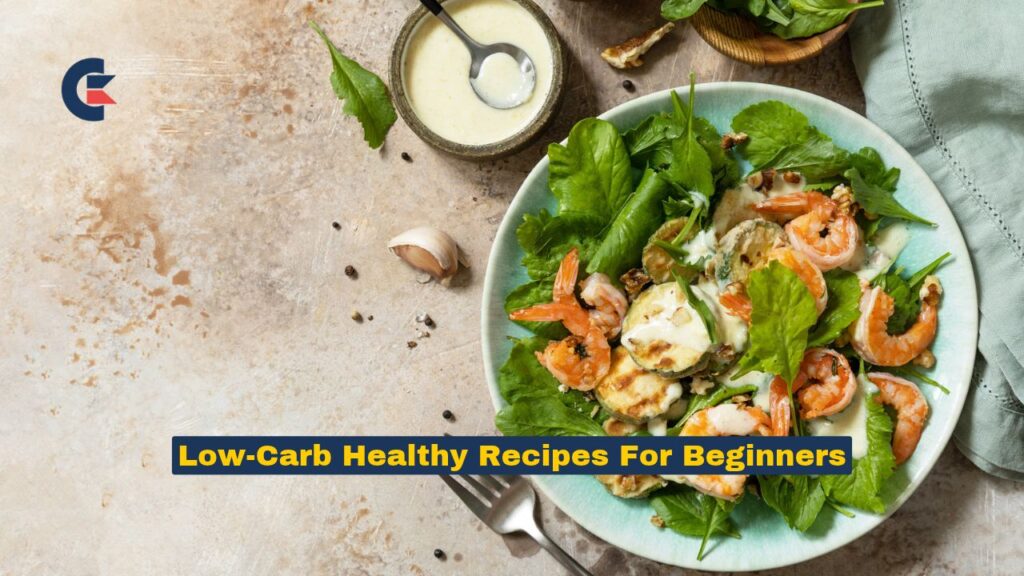
In this article, we share 10 low-carb healthy recipes for beginners that are easy to prepare at home. You’ll find simple breakfasts, quick lunches, satisfying dinners, and vegetarian options. Each recipe includes preparation time, cooking time, ingredients, instructions, and an approximate carbohydrate count. Whether you’re starting a lower-carb eating plan or simply looking for new meal ideas, these recipes can help you make everyday cooking easier.
Nutrition Note : The carbohydrate figures are approximate estimates of total carbohydrates per serving, not net carbohydrates. Actual amounts vary depending on ingredient brands, sizes, and portion measurements. Low-carb eating does not have one universally accepted definition, so these recipes are intended as approachable, lower-carbohydrate meal ideas rather than a strict ketogenic meal plan.
10 Easy Low-Carb Recipes At A Glance
Here’s a quick comparison of the recipes featured in this guide.
| Recipe | Preparation Time | Cooking Time | Estimated Carbs Per Serving |
|---|---|---|---|
| Spinach and Cheese Egg Bites | 5 minutes | 12 minutes | 4g |
| Greek Chicken Lettuce Bowls | 10 minutes | 15 minutes | 12g |
| Zucchini Noodles with Turkey Meatballs | 15 minutes | 25 minutes | 15g |
| Lemon Garlic Salmon with Asparagus | 10 minutes | 15 minutes | 8g |
| Chicken Cauliflower Fried Rice | 10 minutes | 15 minutes | 17g |
| Turkey Taco Lettuce Wraps | 10 minutes | 15 minutes | 10g |
| Creamy Garlic Chicken and Broccoli | 10 minutes | 20 minutes | 12g |
| Tuna and Avocado Salad | 10 minutes | 5 minutes | 8g |
| Tofu and Vegetable Stir-Fry | 10 minutes | 15 minutes | 16g |
| Beef and Cauliflower Stuffed Peppers | 15 minutes | 30 minutes | 13g |
Carbohydrate counts are illustrative estimates. They are not laboratory-tested nutrition values. Use ingredient labels or a nutrition database to calculate exact amounts.
What Is a Low-Carb Diet?
A low-carb diet focuses on reducing carbohydrate intake while choosing suitable sources of protein, fat, and vegetables. Carbohydrates come from foods such as bread, rice, pasta, potatoes, fruits, beans, milk, and sugary products. However, not all carbohydrate-containing foods offer the same nutritional value. Whole vegetables, fruits, beans, and other fiber-rich foods provide useful nutrients. There isn’t one universally accepted definition of a low-carbohydrate diet. Some clinical frameworks commonly classify an intake below 130 grams of carbohydrates per day as low-carb, while very-low-carb or ketogenic approaches generally use much lower amounts.
For beginners, it can be easier to start with simple food substitutions rather than following an extremely restrictive plan. For example :-
| Traditional Food | Lower-Carb Alternative |
|---|---|
| White Rice | Cauliflower Rice |
| Regular Pasta | Zucchini Noodles |
| Wheat Tortillas | Lettuce Wraps |
| Mashed Potatoes | Mashed Cauliflower |
| Sweetened Yogurt | Plain Unsweetened Greek Yogurt |
| Sugary Drinks | Water or Unsweetened Iced Tea |
| Breaded Chicken | Grilled or Baked Chicken |
| Traditional Pizza Crust | Cauliflower-Based Crust |
These substitutions help you create different meals while reducing the amount of carbohydrate in each portion.
1. Spinach And Cheese Egg Bites
- Preparation Time : 5 minutes
- Cooking Time : 12 minutes
- Total Time : 17 minutes
- Servings : 3
- Estimated Carbohydrates : 4g per serving

Spinach and cheese egg bites are an excellent starting point for beginners. They require only a few ingredients and work well for breakfast, lunch, or a quick snack. Eggs provide protein, while spinach adds vegetables. Additionally, cheese creates a creamy texture without requiring flour or breadcrumbs.
Ingredients :
- 6 large eggs
- 1 cup fresh spinach, chopped
- ½ red bell pepper, diced
- ¼ cup shredded cheddar cheese
- 1 tablespoon milk or unsweetened almond milk
- ¼ teaspoon black pepper
- ½ teaspoon olive oil
- Salt to taste
Preparation Instructions :
- Preheat the oven to 350°F.
- Crack the eggs into a mixing bowl.
- Add milk, black pepper, and salt.
- Whisk until the mixture becomes smooth.
- Stir in spinach, bell pepper, and shredded cheese.
- Lightly grease a six-cup muffin tray.
- Divide the egg mixture between the cups.
- Bake for approximately 12–15 minutes until the centers are fully set.
- Allow the egg bites to cool slightly before removing them.
Serving Suggestions : Serve with avocado slices, cucumber, or plain Greek yogurt.
Why This Recipe Works : The preparation is simple, and you can cook several portions at once. Moreover, egg bites are easy to store for convenient breakfasts throughout the week.
2. Greek Chicken Lettuce Bowls
- Preparation Time : 10 minutes
- Cooking Time : 15 minutes
- Total Time : 25 minutes
- Servings : 2
- Estimated Carbohydrates : 12g per serving
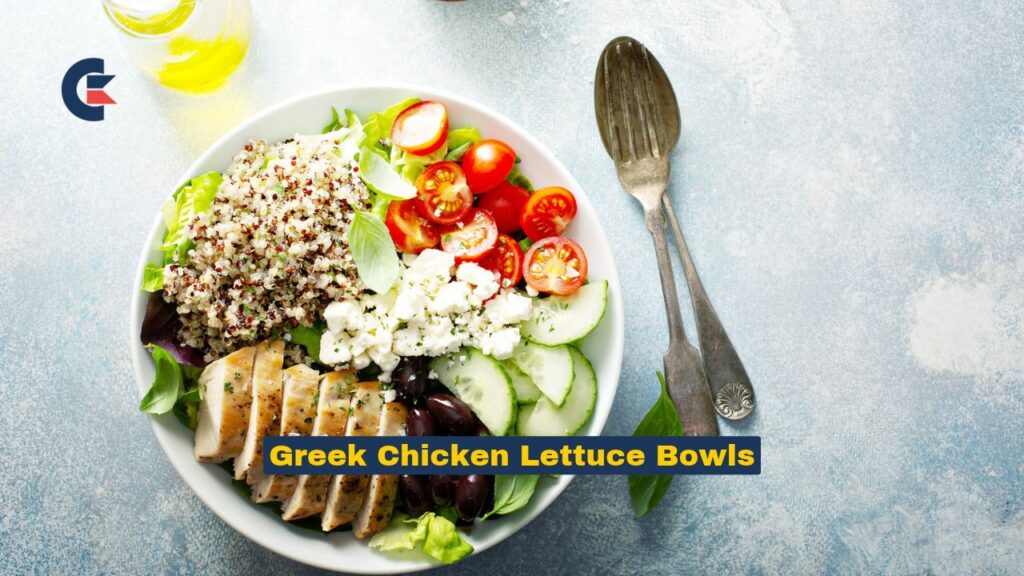
Greek chicken lettuce bowls offer a fresh alternative to traditional rice bowls and wraps. They combine grilled chicken, cucumber, tomatoes, olives, feta cheese, and lettuce. Meanwhile, a small amount of yogurt dressing adds flavor without requiring a heavy sauce.
Ingredients :
- 2 boneless chicken breasts
- 8 large lettuce leaves
- ½ cucumber, diced
- ½ cup cherry tomatoes, halved
- ¼ cup crumbled feta cheese
- ¼ cup sliced black olives
- ½ avocado, sliced
- 1 tablespoon olive oil
- ½ teaspoon dried oregano
- ½ teaspoon black pepper
For the Dressing :
- ¼ cup plain Greek yogurt
- 1 tablespoon lemon juice
- 1 garlic clove, minced
- 1 tablespoon water
- Black pepper to taste
Preparation Instructions :
- Season chicken with olive oil, oregano, and black pepper.
- Heat a grill pan or skillet over medium heat.
- Add chicken and cook until the thickest part reaches 165°F internally.
- Allow the chicken to rest before slicing.
- Mix Greek yogurt, lemon juice, garlic, and water to prepare the dressing.
- Arrange lettuce leaves on two plates.
- Add cucumber, tomatoes, and olives.
- Place sliced chicken over the vegetables.
- Add avocado and feta cheese.
- Finish with the yogurt dressing.
Serving Suggestions : Serve with extra lemon wedges or roasted vegetables.
Why This Recipe Works : Lettuce replaces traditional wraps or rice, while chicken provides protein. Additionally, fresh vegetables and healthy fats create a satisfying meal.
3. Zucchini Noodles With Turkey Meatballs
- Preparation Time : 15 minutes
- Cooking Time : 25 minutes
- Total Time : 40 minutes
- Servings : 2
- Estimated Carbohydrates : 15g per serving
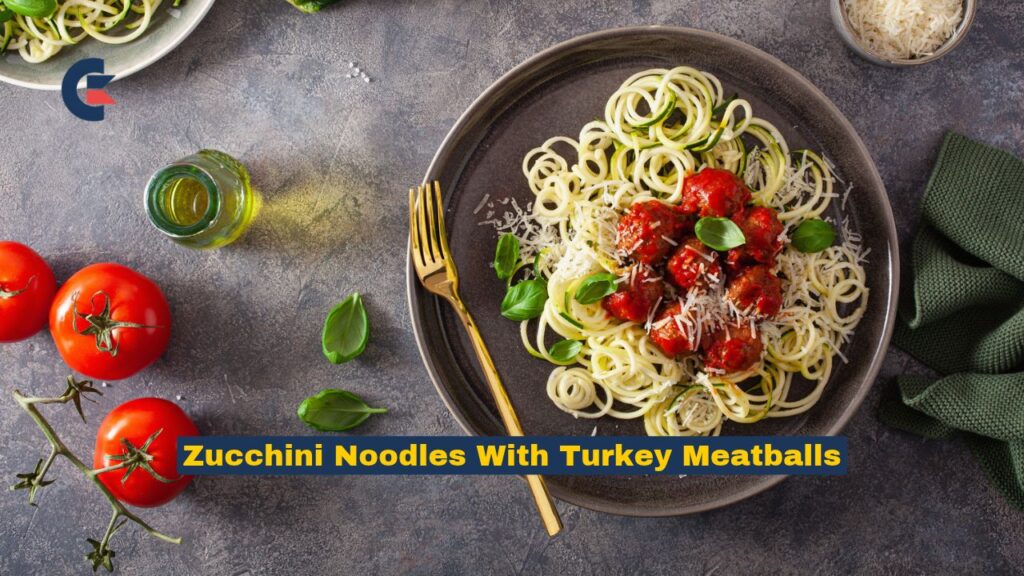
If you enjoy spaghetti but want a lower-carbohydrate alternative, zucchini noodles are worth trying. They provide a vegetable-based substitute for traditional pasta. Meanwhile, turkey meatballs and tomato sauce make the dish filling and flavorful.
Ingredients :
- 2 medium zucchini
- 8 ounces lean ground turkey
- 1 egg
- 2 tablespoons almond flour
- 1 cup no-added-sugar marinara sauce
- 2 garlic cloves, minced
- 2 tablespoons grated Parmesan
- 1 teaspoon Italian seasoning
- 1 tablespoon olive oil
- Black pepper to taste
Preparation Instructions :
- Mix ground turkey, egg, almond flour, garlic, and Italian seasoning in a bowl.
- Form the mixture into small meatballs.
- Heat olive oil in a skillet.
- Brown the meatballs on all sides.
- Add marinara sauce and simmer until the turkey reaches 165°F internally.
- Use a spiralizer or vegetable peeler to prepare zucchini noodles.
- Heat the zucchini noodles in a separate skillet for two to three minutes.
- Avoid overcooking them because excess moisture can soften their texture.
- Divide the noodles between two serving bowls.
- Add meatballs and tomato sauce.
- Finish with grated Parmesan.
Serving Suggestions : Add fresh basil and a small green salad.
Why This Recipe Works : Zucchini noodles provide a pasta-style meal with fewer carbohydrates than regular wheat pasta. Furthermore, turkey meatballs make the recipe suitable for lunch or dinner.
4. Lemon Garlic Salmon With Asparagus
- Preparation Time : 10 minutes
- Cooking Time : 15 minutes
- Total Time : 25 minutes
- Servings : 2
- Estimated Carbohydrates : 8g per serving
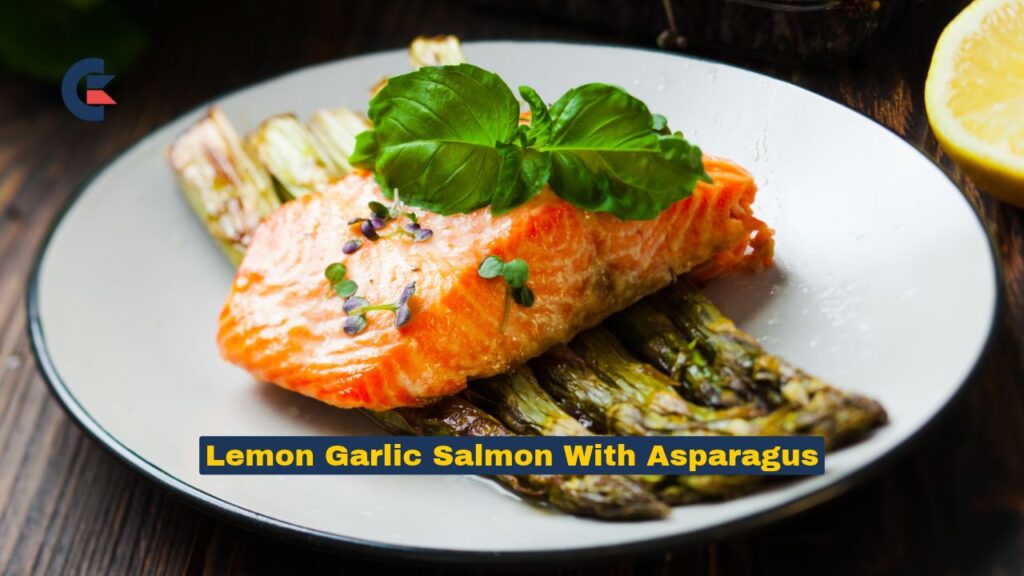
Salmon is a convenient seafood option when you want a protein-rich dinner with vegetables. This recipe combines salmon with asparagus, lemon juice, garlic, and olive oil. Additionally, baking everything in the oven reduces the need for complicated preparation.
Ingredients :
- 2 salmon fillets, approximately 5 ounces each
- 1 bunch asparagus
- 2 garlic cloves, minced
- 1 tablespoon olive oil
- 1 tablespoon lemon juice
- ½ teaspoon black pepper
- ½ teaspoon dried dill
- Salt to taste
- Lemon slices for serving
Preparation Instructions :
- Preheat the oven to 400°F.
- Arrange asparagus on a lined baking tray.
- Place salmon fillets beside the vegetables.
- Mix olive oil, garlic, lemon juice, dill, and black pepper.
- Brush the mixture over the salmon and asparagus.
- Bake for approximately 12–15 minutes, depending on the thickness of the fish.
- Check that the salmon reaches 145°F internally.
- Divide the salmon and asparagus between two plates.
Serving Suggestions : Add cucumber salad, avocado, or roasted mushrooms.
Why This Recipe Works : Salmon provides protein and omega-3 fatty acids, while asparagus adds vegetables without a large amount of carbohydrate.
5. Chicken Cauliflower Fried Rice
- Preparation Time : 10 minutes
- Cooking Time : 15 minutes
- Total Time : 25 minutes
- Servings : 2
- Estimated Carbohydrates : 17g per serving
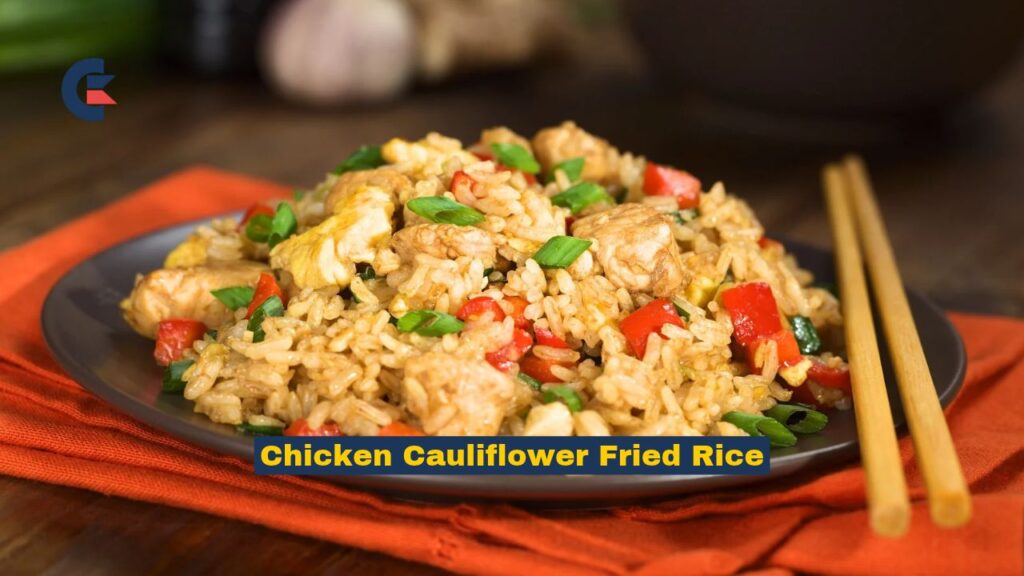
Cauliflower fried rice offers a practical alternative to traditional rice-based dishes. Instead of using cooked white rice, this recipe uses grated or processed cauliflower. Chicken, eggs, garlic, and vegetables provide additional flavor and texture.
Ingredients :
- 3 cups cauliflower rice
- 8 ounces boneless chicken breast, diced
- 2 large eggs
- ½ cup mixed vegetables
- 2 garlic cloves, minced
- 1 tablespoon low-sodium soy sauce
- 1 teaspoon sesame oil
- 2 green onions, chopped
- ½ teaspoon black pepper
Preparation Instructions :
- Cut cauliflower into florets.
- Process the cauliflower until it resembles small rice grains, or use prepared cauliflower rice.
- Heat sesame oil in a large skillet.
- Add chicken and cook until it reaches 165°F internally.
- Remove the chicken temporarily.
- Add garlic and mixed vegetables.
- Cook until the vegetables become tender.
- Push the vegetables to one side and scramble the eggs.
- Add cauliflower rice and cooked chicken.
- Pour in soy sauce and black pepper.
- Stir everything together until thoroughly heated.
- Garnish with chopped green onions.
Serving Suggestions : Serve with cucumber slices or a simple cabbage salad.
Why This Recipe Works : Cauliflower provides a vegetable-based rice alternative. Moreover, chicken and eggs make the dish suitable for a satisfying lunch or dinner.
6. Turkey Taco Lettuce Wraps
- Preparation Time : 10 minutes
- Cooking Time : 15 minutes
- Total Time : 25 minutes
- Servings : 2
- Estimated Carbohydrates : 10g per serving
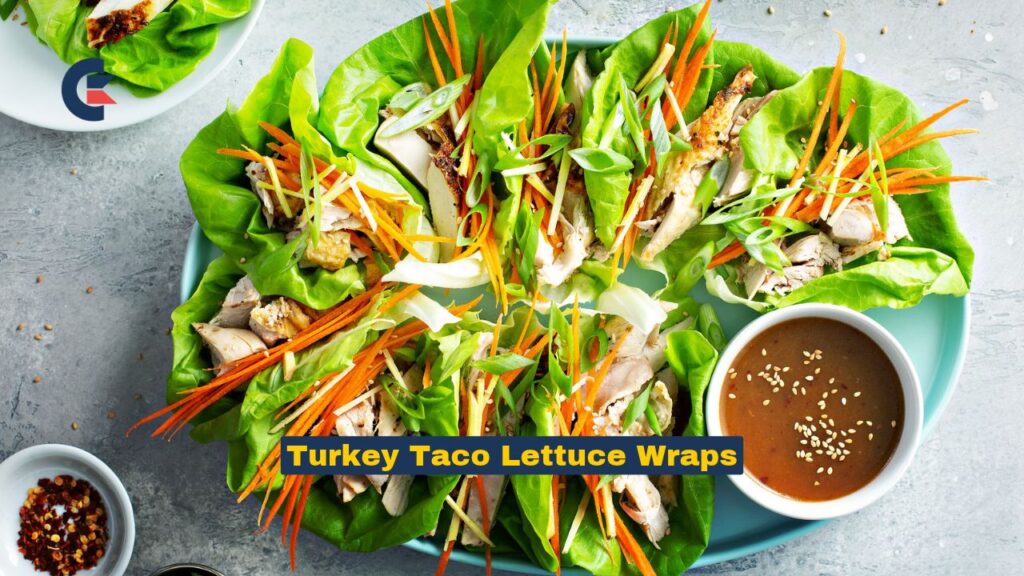
Turkey taco lettuce wraps are a good option when you want the flavors of traditional tacos without using regular tortillas. The recipe combines seasoned ground turkey, lettuce, tomatoes, avocado, and cheese. Furthermore, you can adjust the toppings according to your preferences.
Ingredients :
- 8 ounces lean ground turkey
- 6 large lettuce leaves
- ½ cup chopped tomatoes
- ¼ avocado, diced
- ¼ cup shredded cheddar cheese
- 2 tablespoons fresh salsa
- 1 teaspoon olive oil
- ½ teaspoon cumin
- ½ teaspoon paprika
- ¼ teaspoon garlic powder
- Black pepper to taste
Preparation Instructions :
- Heat olive oil in a skillet.
- Add ground turkey and break it into small pieces.
- Add cumin, paprika, garlic powder, and black pepper.
- Cook until the turkey reaches 165°F internally.
- Wash and dry the lettuce leaves.
- Arrange the lettuce leaves on two plates.
- Divide the cooked turkey between the leaves.
- Add tomatoes, avocado, and shredded cheese.
- Finish with fresh salsa.
- Serve immediately.
Serving Suggestions : Add plain Greek yogurt, lime wedges, or sliced cucumber.
Why This Recipe Works : Lettuce creates a convenient taco shell alternative. Additionally, ground turkey cooks quickly and provides a useful source of protein.
7. Creamy Garlic Chicken and Broccoli
- Preparation Time : 10 minutes
- Cooking Time : 20 minutes
- Total Time : 30 minutes
- Servings : 2
- Estimated Carbohydrates : 12g per serving
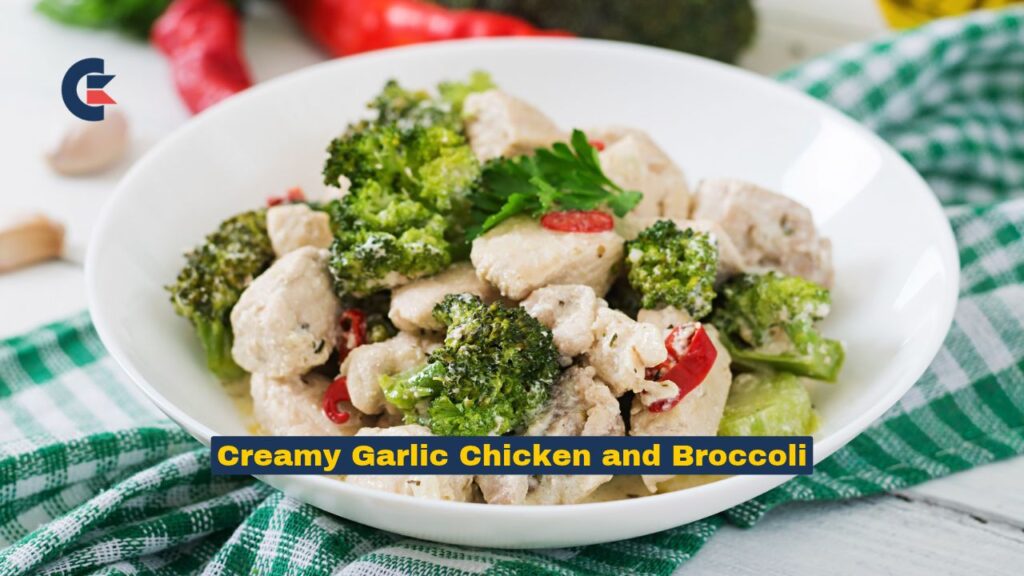
Creamy garlic chicken and broccoli is a simple skillet dinner that brings together chicken, vegetables, garlic, and Parmesan. Instead of using flour to thicken the sauce, you can use a small quantity of cream cheese and cream.
Ingredients :
- 2 boneless chicken breasts
- 2 cups broccoli florets
- ¼ cup heavy cream
- 2 tablespoons cream cheese
- ¼ cup grated Parmesan
- 2 garlic cloves, minced
- 1 tablespoon olive oil
- ½ teaspoon black pepper
- ¼ teaspoon paprika
- Salt to taste
Preparation Instructions :
- Cut chicken into evenly sized pieces.
- Season with paprika, black pepper, and salt.
- Heat olive oil in a skillet.
- Add chicken and cook until it reaches 165°F internally.
- Remove chicken temporarily.
- Add broccoli and a few tablespoons of water.
- Cover and cook until broccoli becomes tender.
- Add garlic and stir briefly.
- Reduce the heat and add cream cheese and heavy cream.
- Stir until the sauce becomes smooth.
- Add Parmesan and return chicken to the skillet.
- Simmer briefly before serving.
Serving Suggestions : Serve with cauliflower rice or sautéed zucchini.
Why This Recipe Works : The meal combines protein and vegetables in a single skillet. Furthermore, the creamy sauce provides flavor without relying on a traditional flour-based thickener.
8. Tuna And Avocado Salad
- Preparation Time : 10 minutes
- Cooking Time : 5 minutes
- Total Time : 15 minutes
- Servings : 2
- Estimated Carbohydrates : 8g per serving
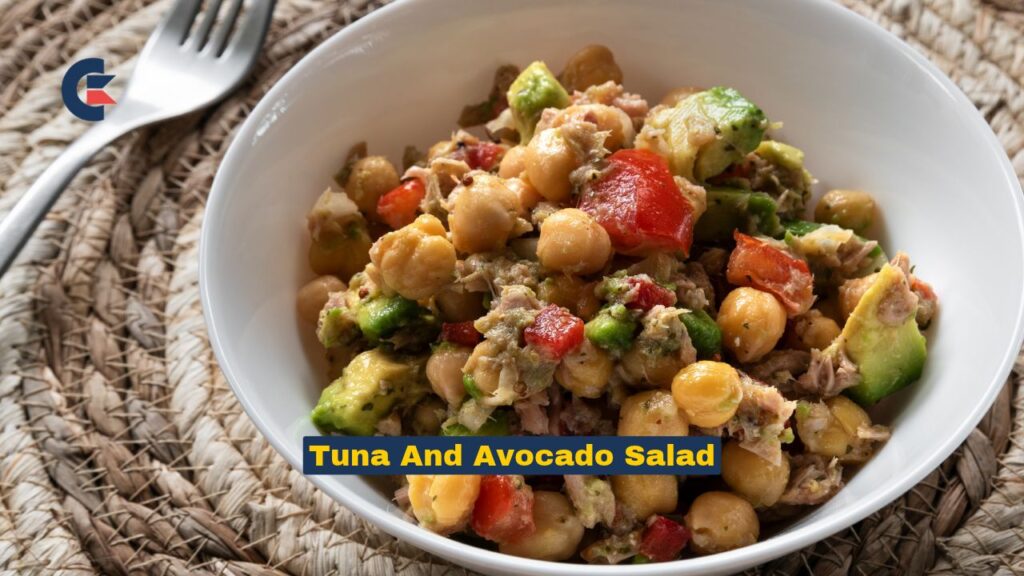
Tuna and avocado salad is an easy meal when you don’t want to spend time cooking. Canned tuna provides a convenient protein source, while avocado and olive oil create a creamy texture. Additionally, cucumber, celery, and lettuce add freshness.
Ingredients :
- 1 can tuna in water, drained
- 1 avocado
- ½ cucumber, diced
- 1 celery stalk, chopped
- 2 cups lettuce
- 1 tablespoon mayonnaise
- 1 tablespoon lemon juice
- ¼ teaspoon black pepper
- 2 boiled eggs, optional
Preparation Instructions :
- Drain the tuna and place it in a mixing bowl.
- Cut the avocado into small pieces.
- Add cucumber and celery.
- Mix mayonnaise with lemon juice and black pepper.
- Pour the dressing over the tuna mixture.
- Stir gently until combined.
- Arrange lettuce in two serving bowls.
- Add the tuna and avocado mixture.
- Place boiled egg halves on top if desired.
Serving Suggestions : Serve with cucumber slices, olives, or a small portion of nuts.
Why This Recipe Works : The recipe requires very little cooking and uses ingredients that are easy to keep in your pantry and refrigerator. Moreover, you can prepare it for lunch or dinner.
9. Tofu And Vegetable Stir-Fry
- Preparation Time : 10 minutes
- Cooking Time : 15 minutes
- Total Time : 25 minutes
- Servings : 2
- Estimated Carbohydrates : 16g per serving
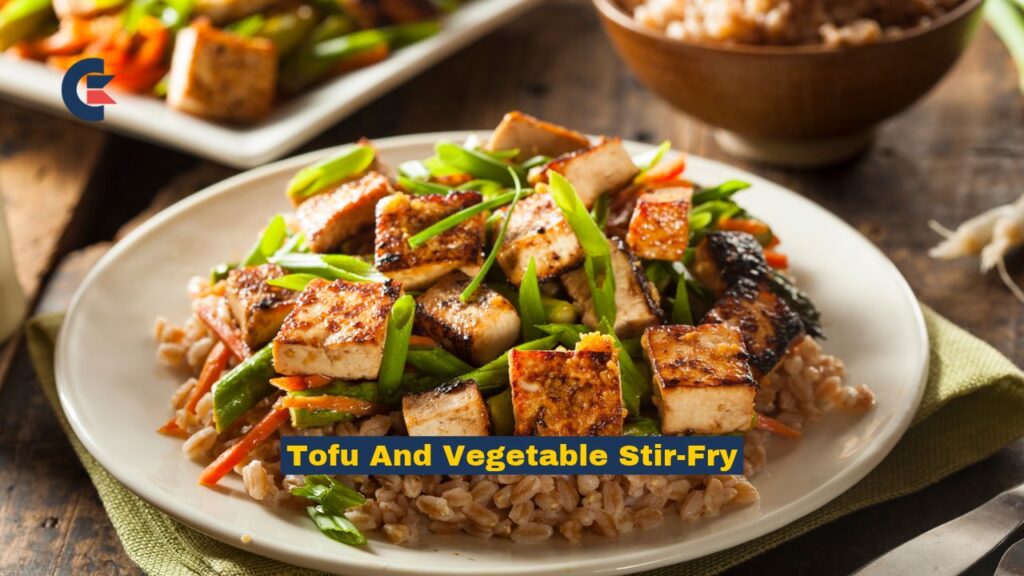
Tofu and vegetable stir-fry is a useful plant-based dinner option for beginners. The Tofu provides protein, while broccoli, mushrooms, bell peppers, and zucchini add vegetables. A small quantity of soy sauce, ginger, and garlic brings the ingredients together.
Ingredients :
- 14 ounces firm tofu
- 1 cup broccoli florets
- ½ bell pepper, sliced
- 1 cup sliced mushrooms
- 1 medium zucchini, sliced
- 2 garlic cloves, minced
- 1 teaspoon grated ginger
- 1 tablespoon low-sodium soy sauce
- 1 teaspoon sesame oil
- ½ teaspoon black pepper
- 1 teaspoon sesame seeds
Preparation Instructions :
- Drain the tofu and press it to remove excess water.
- Cut tofu into cubes.
- Heat sesame oil in a large skillet.
- Add tofu and cook until lightly golden.
- Remove tofu temporarily.
- Add broccoli, mushrooms, bell pepper, and zucchini.
- Stir-fry until the vegetables become tender but remain slightly crisp.
- Add garlic, ginger, and soy sauce.
- Return tofu to the skillet.
- Stir everything together until thoroughly heated.
- Finish with sesame seeds.
Serving Suggestions : Serve with cauliflower rice or extra sautéed vegetables.
Why This Recipe Works : This meal provides a plant-based alternative to chicken stir-fry. Additionally, you can change the vegetable combination depending on what you have available.
10. Beef And Cauliflower Stuffed Peppers
- Preparation Time : 15 minutes
- Cooking Time : 30 minutes
- Total Time : 45 minutes
- Servings : 4
- Estimated Carbohydrates : 13g per serving
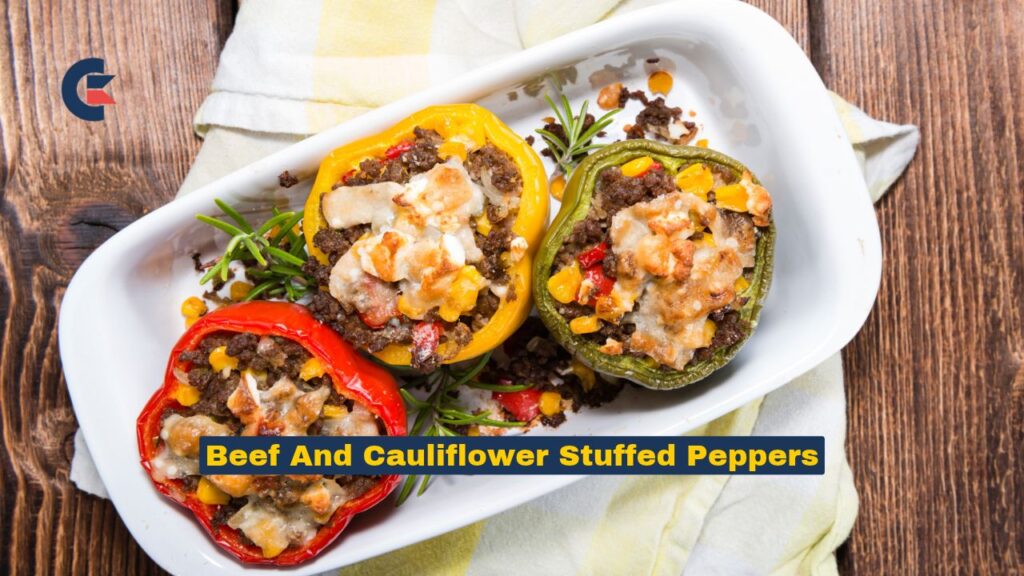
Stuffed peppers are a convenient way to combine protein and vegetables in an individual serving. This recipe replaces traditional rice filling with cauliflower rice. Ground beef, tomatoes, garlic, and cheese create a satisfying mixture.
Ingredients :
- 4 medium bell peppers
- 1 pound lean ground beef
- 2 cups cauliflower rice
- ½ cup crushed tomatoes
- ½ onion, chopped
- 2 garlic cloves, minced
- ½ cup shredded mozzarella
- 1 tablespoon olive oil
- ½ teaspoon Italian seasoning
- ½ teaspoon paprika
- Black pepper to taste
Preparation Instructions :
- Preheat the oven to 375°F.
- Cut the tops off the bell peppers and remove the seeds.
- Heat olive oil in a skillet.
- Add chopped onion and garlic.
- Add ground beef and cook until it reaches 160°F internally.
- Stir in cauliflower rice, crushed tomatoes, Italian seasoning, and paprika.
- Cook until the cauliflower becomes slightly tender.
- Arrange the peppers in a baking dish.
- Fill each pepper with the beef mixture.
- Add shredded mozzarella over the top.
- Bake until the peppers soften and the filling reaches 165°F internally.
- Allow the dish to rest briefly before serving.
Serving Suggestions : Serve with a cucumber salad or roasted broccoli.
Why This Recipe Works : Bell peppers provide individual portions, while cauliflower rice reduces the carbohydrate content compared with a traditional rice filling. Furthermore, you can prepare the filling ahead of time.
Best Foods To Include In A Low-Carb Diet
When you’re starting with low-carb cooking, knowing which ingredients to buy can make meal planning easier. You don’t need expensive specialty products. Instead, focus on everyday foods that provide protein, vegetables, healthy fats, and useful nutrients.
1. Protein-Rich Foods
Protein-rich foods can form the base of many lower-carbohydrate meals. Consider including :-
- Chicken breast and thighs
- Eggs
- Salmon and other fish
- Shrimp
- Lean beef
- Turkey
- Tofu
- Plain Greek yogurt
Choose fresh or minimally processed options when possible. Additionally, compare food labels because marinades, coatings, and sauces may add carbohydrates.
2. Low-Carbohydrate Vegetables
Non-starchy vegetables offer fiber, vitamins, minerals, and different flavors. Useful choices include :-
- Broccoli
- Cauliflower
- Spinach
- Lettuce
- Zucchini
- Cucumber
- Mushrooms
- Asparagus
- Cabbage
- Bell peppers
You can roast, steam, sauté, or include them in salads and stir-fries.
3. Healthy Fat Sources
Healthy fats can add flavor and texture to lower-carbohydrate meals. Consider using :-
- Avocado
- Olive oil
- Almonds
- Walnuts
- Chia seeds
- Flaxseeds
- Olives
- Natural nut butters
However, remember that fats are energy-dense. Measure oils, nuts, and dressings according to your meal requirements.
4. Low-Carbohydrate Dairy Options
Some dairy foods can fit into lower-carbohydrate meal plans. Examples include :-
- Plain Greek yogurt
- Cheddar cheese
- Mozzarella
- Parmesan
- Cottage cheese
- Unsweetened milk alternatives
Check product labels before buying because flavored yogurts and sweetened dairy products may contain added sugars.
Foods To Limit When Preparing Low-Carb Meals
Low-carb cooking doesn’t require avoiding every food that contains carbohydrates. However, reducing certain ingredients can help you prepare meals with fewer carbohydrates.
| Food | Why Consider Reducing It? | Possible Alternative |
|---|---|---|
| White Bread | Concentrated source of carbohydrates | Lettuce wraps |
| White Rice | Adds a substantial amount of starch | Cauliflower rice |
| Regular Pasta | Higher in carbohydrates | Zucchini noodles |
| Sugary Drinks | Add carbohydrates without much fiber | Water or unsweetened tea |
| Sweet Breakfast Cereals | Often contain added sugar | Eggs or plain yogurt |
| Cakes and Pastries | Usually contain flour and sugar | Unsweetened yogurt with berries |
| Sweetened Sauces | May contain added sugar | Homemade garlic or herb sauces |
| Large Potato Portions | Provide considerable starch | Broccoli or cauliflower |
You can still include whole fruits, beans, legumes, and selected whole grains according to your personal nutritional needs and carbohydrate goals.
Example Seven-Day Low-Carb Meal Plan For Beginners
Meal planning can make lower-carbohydrate cooking easier because you know what to prepare before the week begins. Here is a simple example using recipes from this guide.
| Day | Breakfast | Lunch | Dinner |
|---|---|---|---|
| Monday | Spinach Egg Bites | Tuna and Avocado Salad | Lemon Garlic Salmon |
| Tuesday | Plain Greek Yogurt and Nuts | Greek Chicken Lettuce Bowls | Turkey Taco Wraps |
| Wednesday | Boiled Eggs and Cucumber | Chicken Cauliflower Rice | Zucchini Noodles with Meatballs |
| Thursday | Egg Bites | Tuna Salad | Creamy Chicken and Broccoli |
| Friday | Cheese Omelet | Tofu Stir-Fry | Stuffed Bell Peppers |
| Saturday | Greek Yogurt and Chia Seeds | Chicken Lettuce Bowls | Baked Salmon and Vegetables |
| Sunday | Spinach Egg Bites | Leftover Stuffed Peppers | Chicken and Vegetable Stir-Fry |
Adjust the portions and side dishes according to your nutritional needs. Also, remember that a low-carb meal plan should not automatically remove all fruit, legumes, or whole grains. You can include suitable portions of these foods depending on your preferences and individual goals.
Frequently Asked Questions
Spinach egg bites, chicken and broccoli skillet, tuna avocado salad, zucchini noodles, and cauliflower fried rice are practical options. They use simple ingredients and basic cooking methods.
You can prepare scrambled eggs, spinach omelets, egg bites, plain Greek yogurt, avocado, and turkey breakfast patties. These options provide variety without relying on sugary cereals or regular breakfast pastries.
Cauliflower rice contains fewer carbohydrates than traditional cooked white rice. You can use it in fried rice, chicken bowls, curries, and stuffed peppers.
Broccoli, cauliflower, spinach, lettuce, zucchini, mushrooms, cucumber, asparagus, and cabbage are useful options. They work well in salads, soups, stir-fries, and roasted meals.
Yes. Eggs contain very few carbohydrates and provide protein. You can prepare them as omelets, egg bites, frittatas, or boiled eggs.
Yes. Plain chicken contains virtually no carbohydrates. However, breading, marinades, barbecue sauce, and other coatings can add carbohydrates. Grilled, baked, or roasted chicken with vegetables is a practical choice.
Try zucchini noodles, shirataki noodles, or other suitable vegetable-based alternatives. You can also use a smaller portion of regular pasta with additional vegetables and protein.
Final Thoughts
Starting with low-carb cooking doesn’t have to be difficult. You can prepare satisfying meals using familiar ingredients such as chicken, eggs, fish, tofu, leafy vegetables, cauliflower, and zucchini. These 10 recipes provide a range of options for breakfast, lunch, and dinner. Moreover, simple ingredient substitutions can help you reduce carbohydrates without making every meal feel unfamiliar. Start with two or three recipes that suit your preferences. Then organize your grocery list, prepare a few ingredients in advance, and experiment with different seasonings. Most importantly, focus on balanced meals and overall nutritional quality rather than simply removing carbohydrates. A practical eating routine should fit your lifestyle and provide the nutrients your body needs. For larger family gatherings, private events, or celebrations, Professional Catering Services can also help arrange customized menus with suitable lower-carbohydrate food options.